High Insurance Premiums for Naples FL Waterfront Homes: Practical Mitigation Solutions 2026
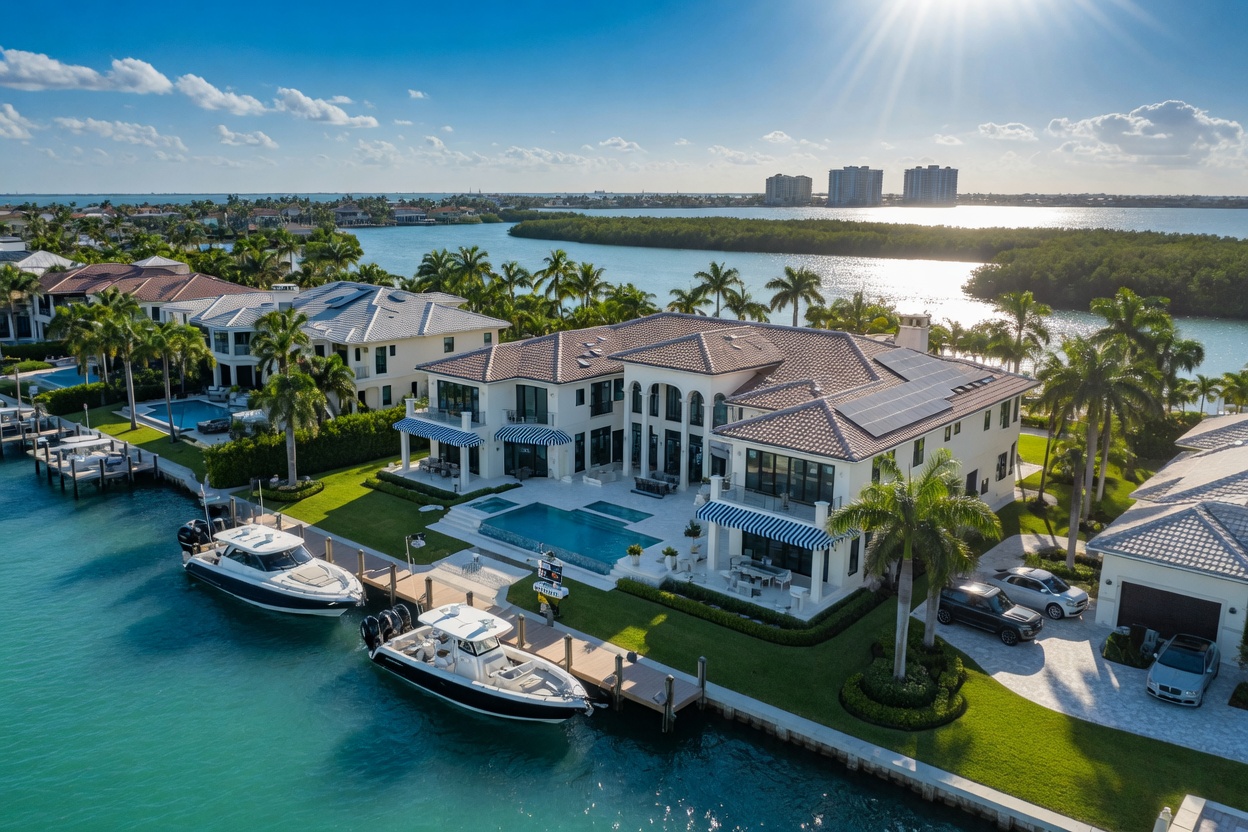
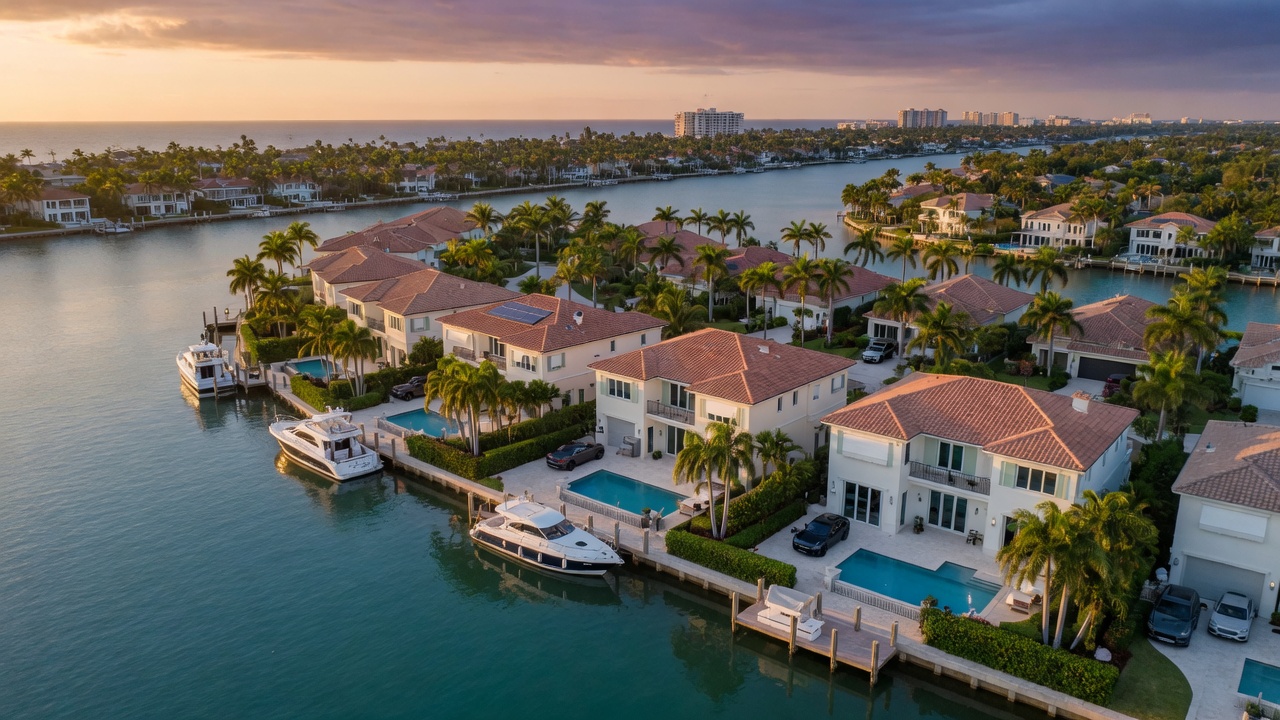
Waterfront property ownership in Naples, Florida remains a premier luxury investment, yet insurance costs have emerged as the single largest barrier to purchase and long-term affordability. In 2026, average annual premiums for Naples waterfront homes frequently exceed $35,000–$65,000, with some Marco Island and Pelican Bay properties facing quotes above $80,000. These figures represent a 180–320% increase since 2020.
This technical guide delivers a comprehensive, step-by-step mitigation roadmap designed specifically for the 2026 Florida insurance market. By implementing targeted construction upgrades, obtaining proper documentation, and navigating carrier-specific underwriting guidelines, buyers and current owners can realistically reduce premiums by $8,000 to $25,000 per year.
Image Grid 1
The Current Insurance Crisis in Southwest Florida Waterfront Markets
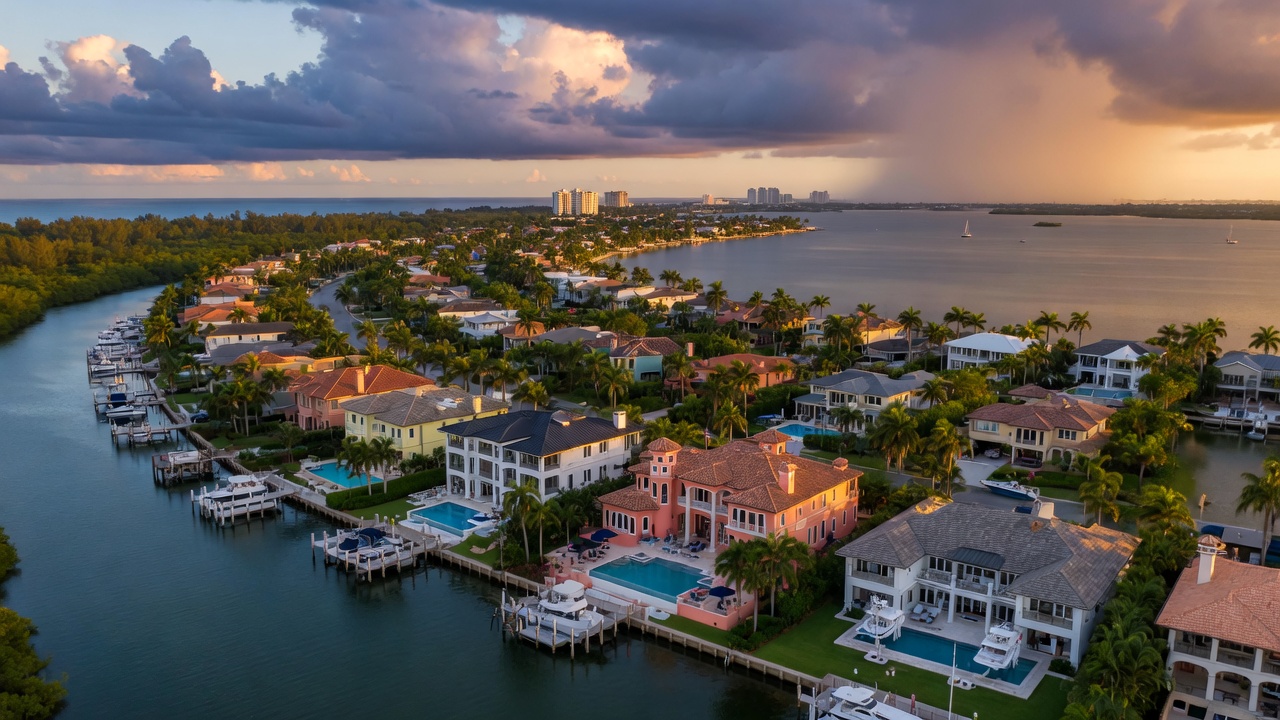
Florida’s property insurance market continues to harden due to catastrophic loss history, reinsurance costs, and litigation trends. Waterfront homes in Naples, Pelican Bay, and Marco Island face dual exposure to both hurricane wind and storm surge flood risk. Major carriers have reduced capacity, increased deductibles, and implemented stricter underwriting criteria for properties built before the 2002 Florida Building Code.
Without proper mitigation, many Naples waterfront homes are now being declined outright or placed in Citizens Property Insurance, often at significantly higher rates. The good news: documented mitigation measures can dramatically improve insurability and lower premiums with both admitted and surplus lines carriers.
Understanding 2026 Insurance Underwriting Criteria for Waterfront Properties
Carriers evaluate Naples waterfront homes using a combination of:
Image Grid 2
- Distance to tidal water and mean sea level elevation
- Construction type and year built
- Wind mitigation features (roof-to-wall connections, opening protection)
- Flood mitigation features and elevation certification
- Community mitigation credits (where applicable)
- Replacement cost accuracy and insured value alignment
The 2026 Florida Building Code (FBC) and updated ASCE 7 standards have further tightened requirements. Properties that meet or exceed these standards receive substantial credit in both wind and flood rating algorithms.
Step-by-Step Mitigation Solutions That Deliver Measurable Savings
1. Elevation Certificates and Flood Risk Reclassification
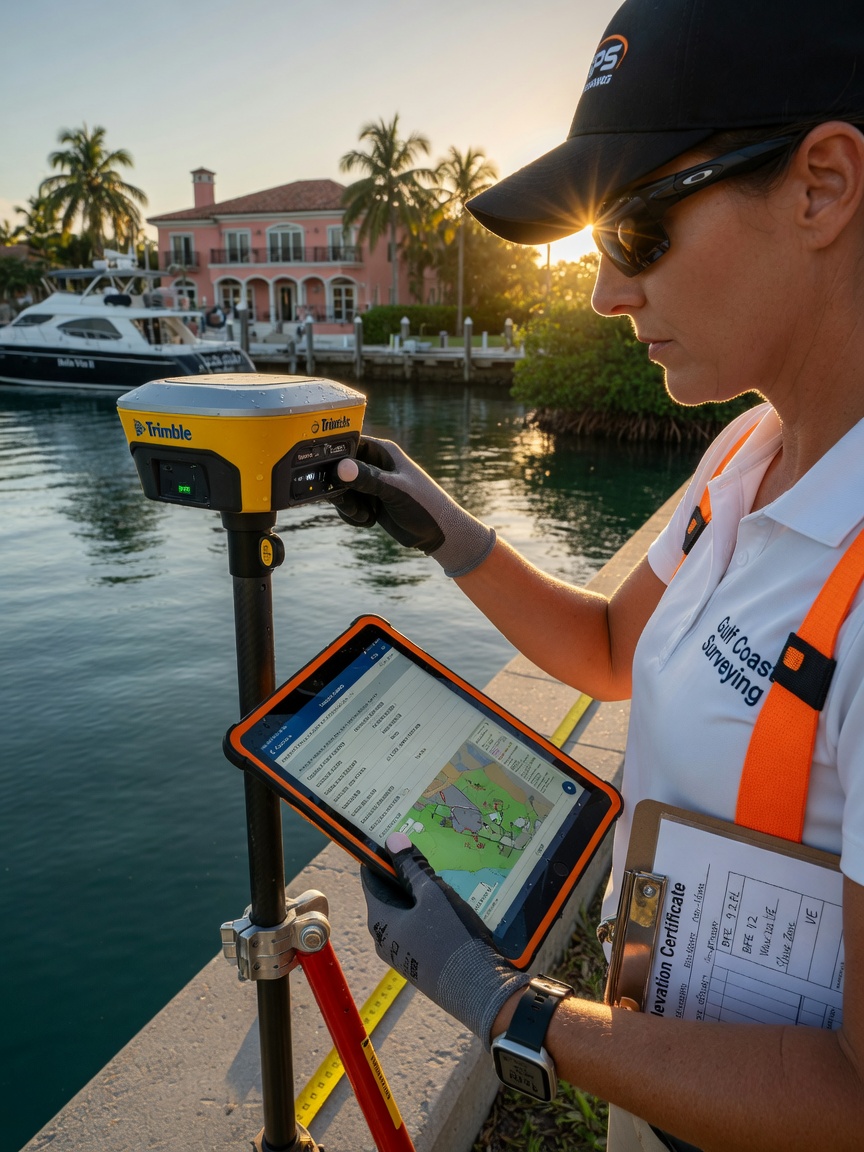
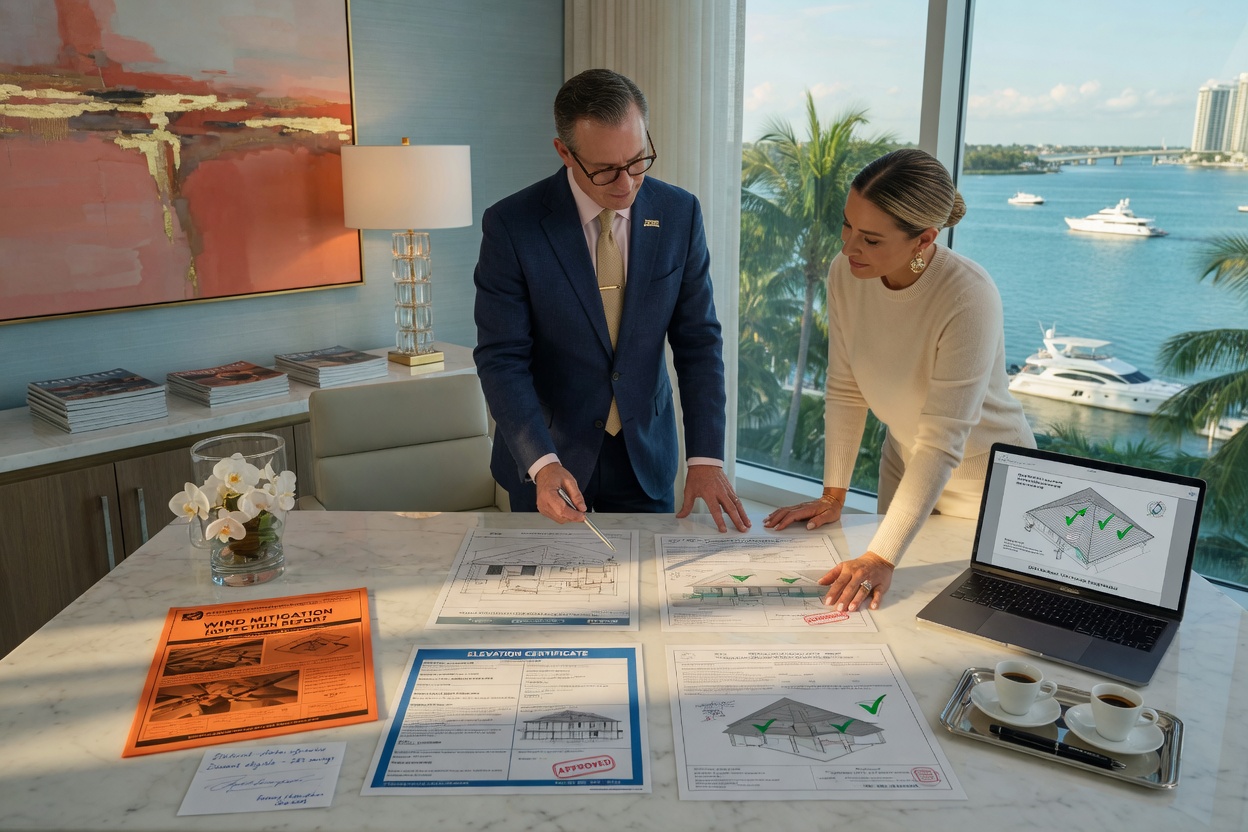
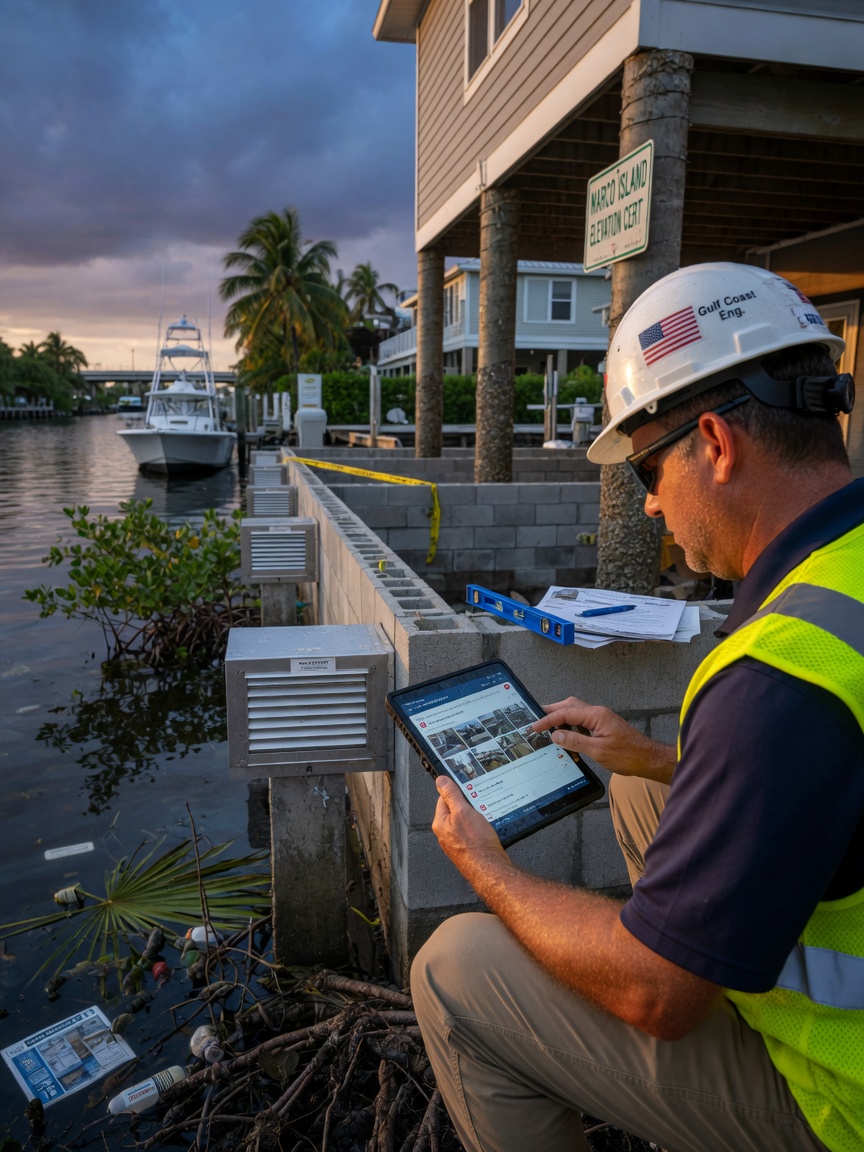
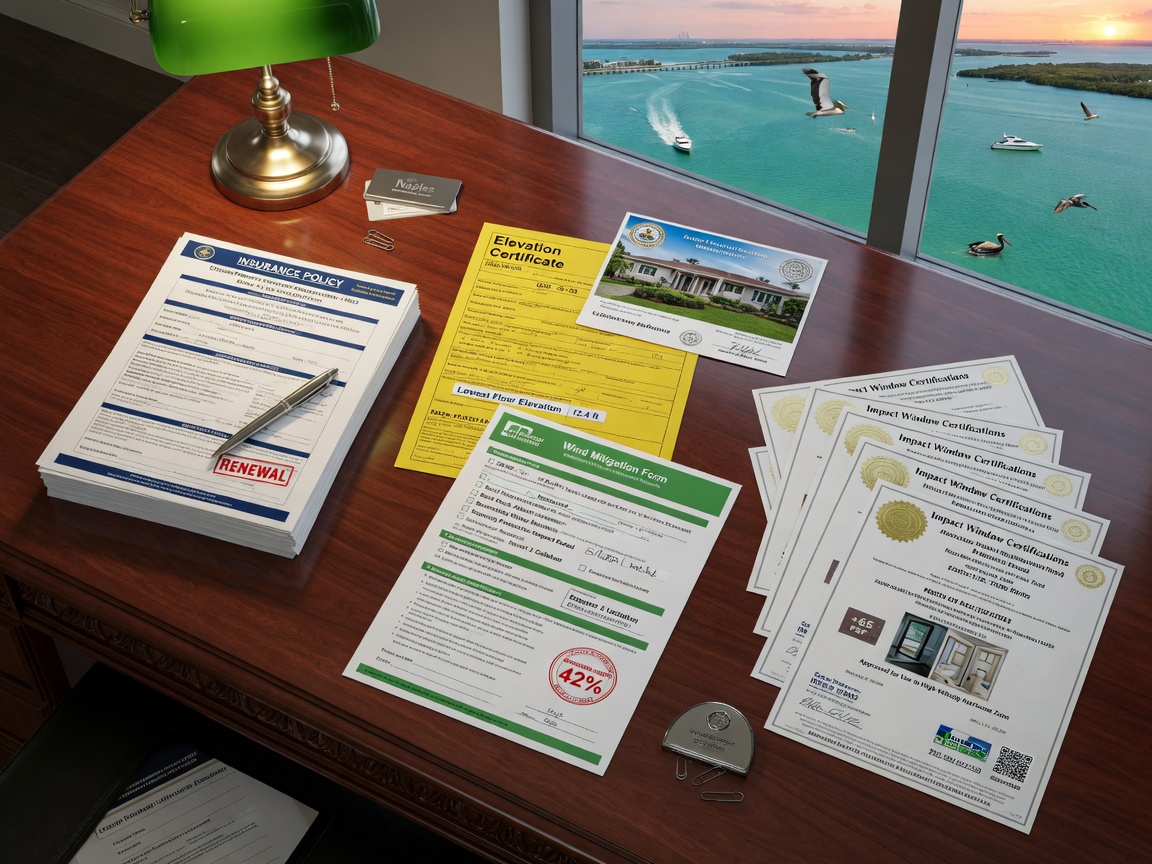
An updated Elevation Certificate (EC) remains the most powerful and cost-effective mitigation document. Many pre-2002 waterfront homes in Pelican Bay were originally rated using outdated base flood elevation (BFE) data.
Action Steps:
- Hire a licensed surveyor to complete a new EC using current LiDAR and tidal datum
- Install permanent flood vents compliant with NFIP standards
- Consider wet floodproofing or raised utility modifications
Documented Result: A Pelican Bay condominium tower built in 1985 reduced its flood insurance component from $18,400 to $4,700 annually after submitting a new EC showing the lowest floor 2.8 feet above current BFE.
2. Impact-Rated Windows, Doors, and Garage Openings
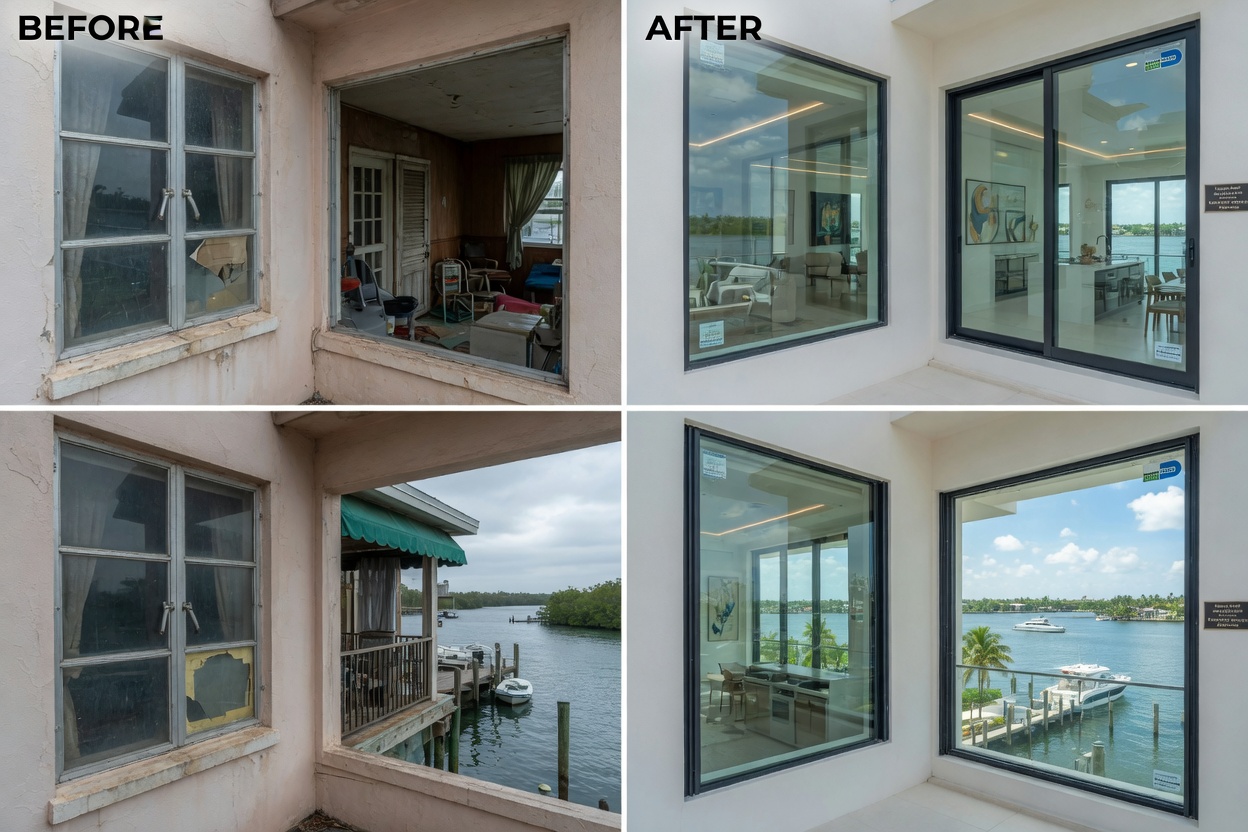
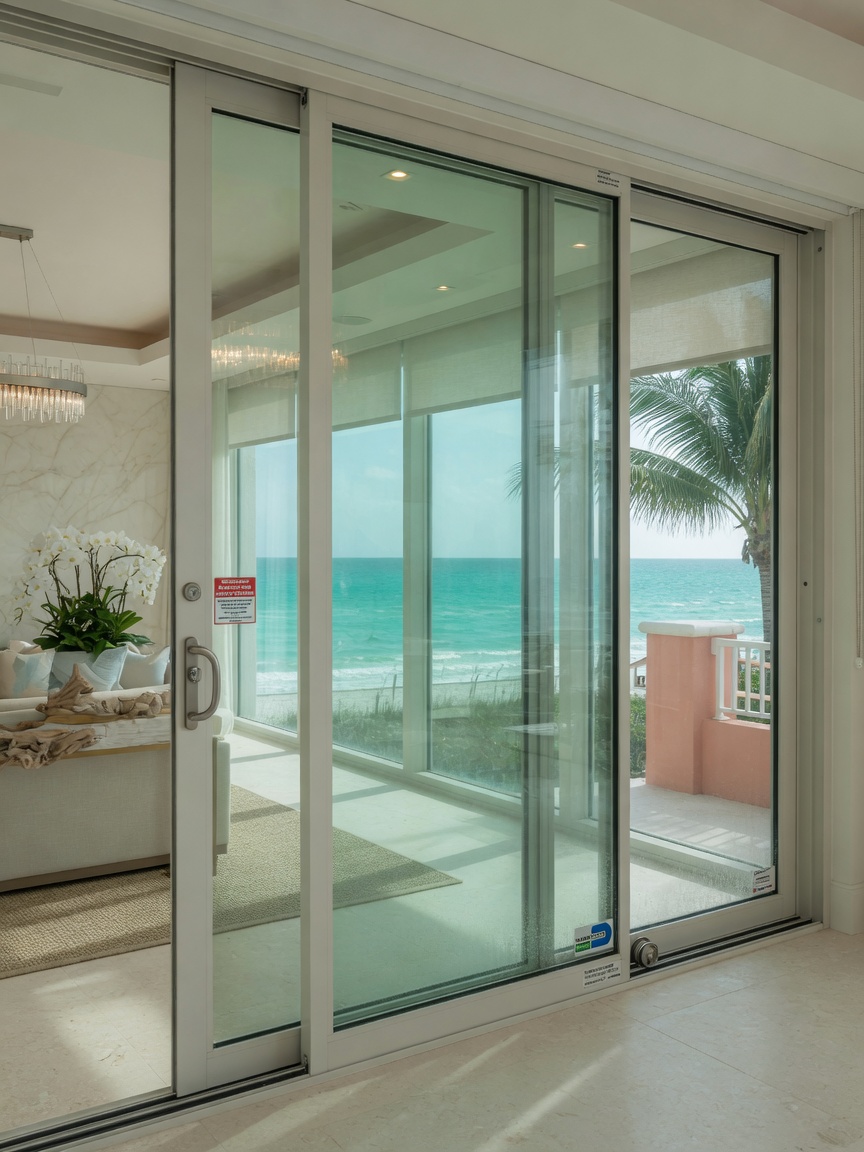
Impact protection provides the largest single premium reduction for wind coverage. In 2026, carriers offer up to 45% wind mitigation credits for homes with Miami-Dade approved impact-rated glazing and reinforced entry systems.
Recommended Specifications for 2026:
- Large missile impact-rated windows and sliding glass doors (tested to ASTM E1996/E1886)
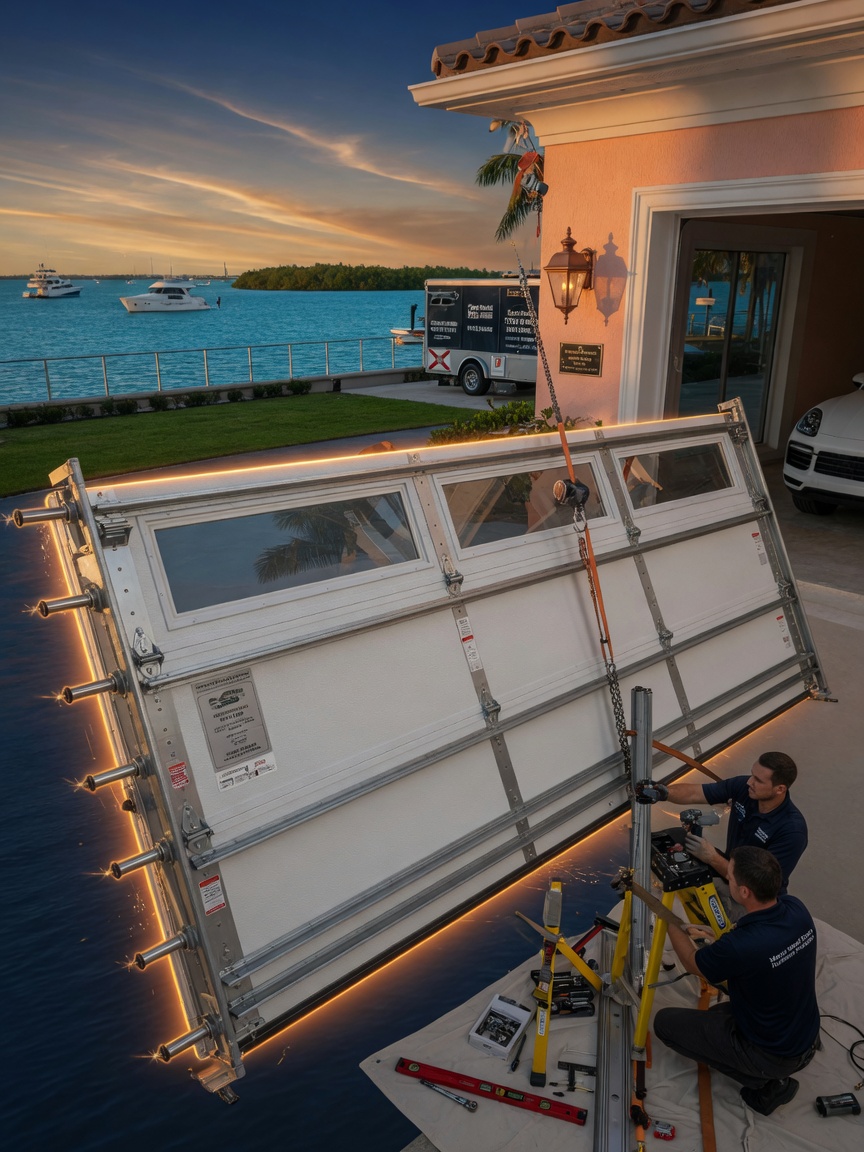
- High-velocity hurricane zone (HVHZ) rated garage doors with multi-point locking systems
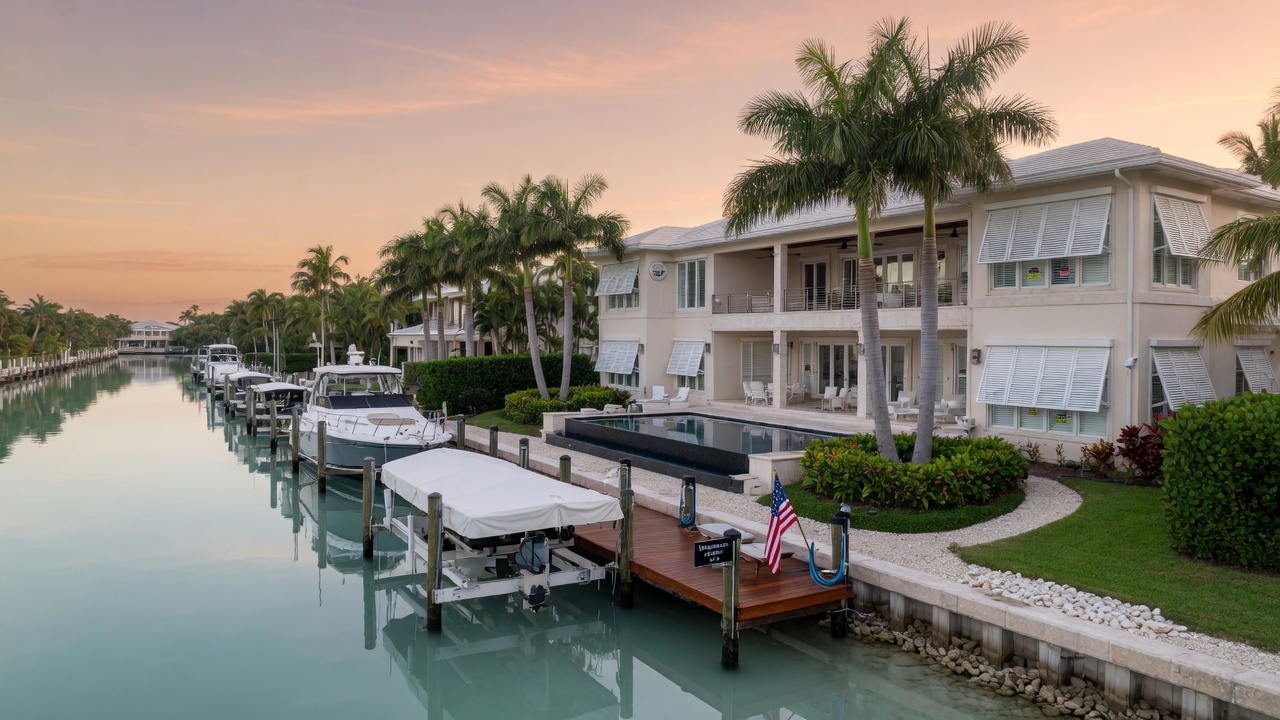
- Impact-rated accordion or Bahama shutters as secondary protection
Case Study – Marco Island: A 4,200 sq ft waterfront estate on Collier Boulevard replaced all windows and doors in 2024. The $87,000 investment produced a $21,400 annual premium reduction with Travelers, achieving full payback in under 4.1 years while increasing property value by approximately $145,000.
3. Roof Reinforcement and Secondary Water Barrier Systems
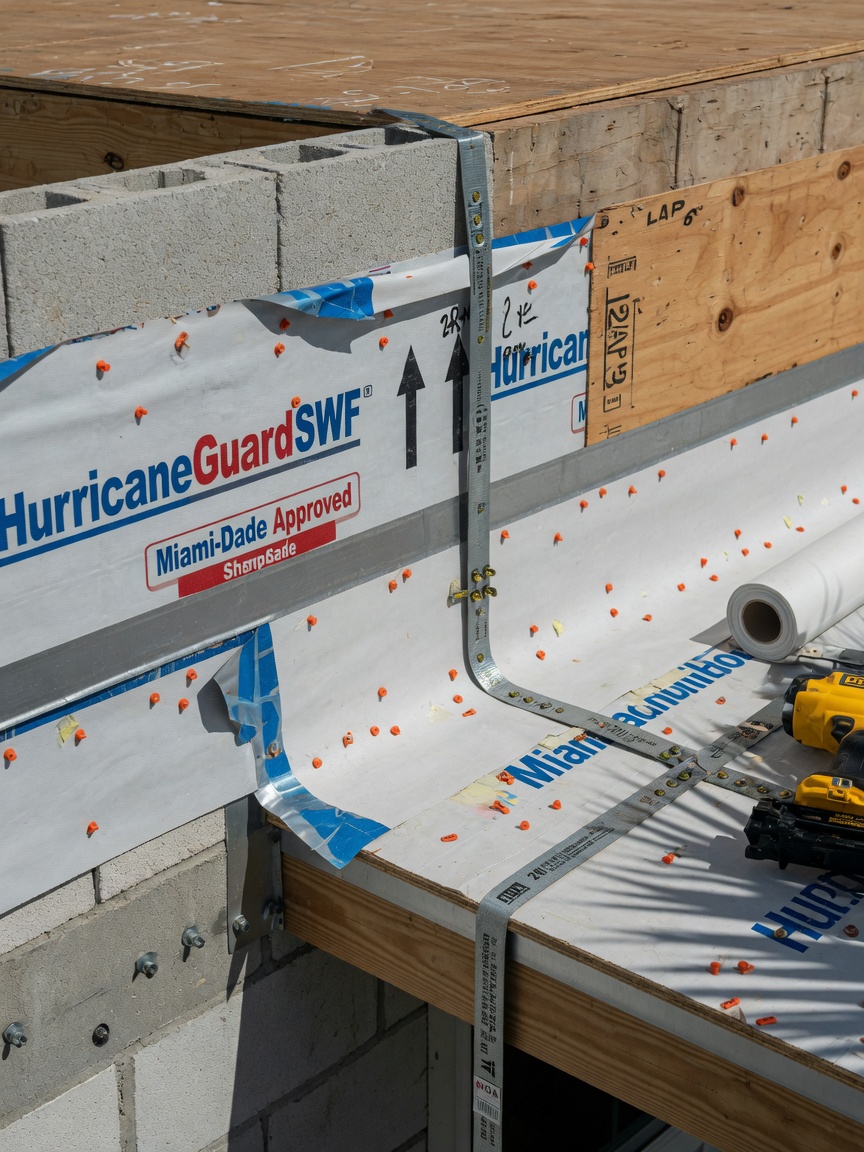
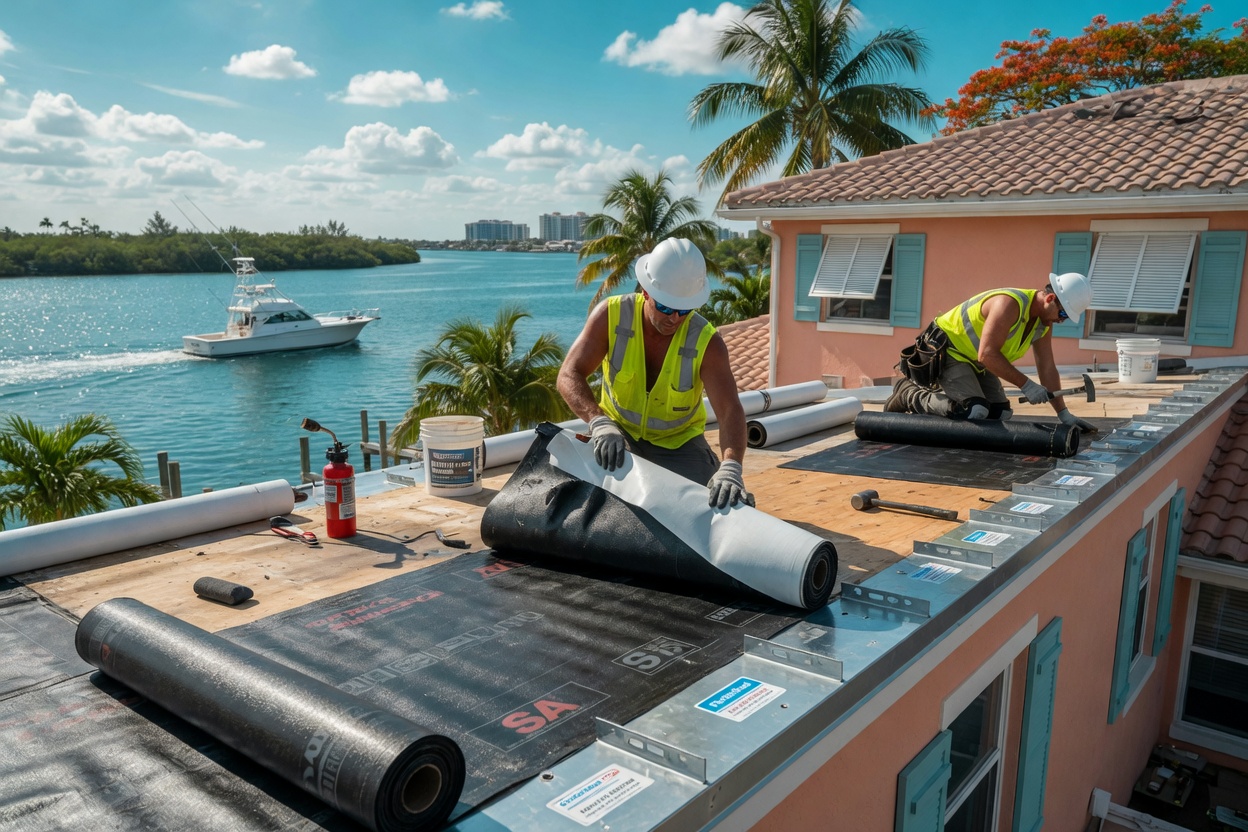
Roof-to-wall strapping, enhanced roof deck attachment, and self-adhering secondary water barriers are heavily weighted in 2026 underwriting models. Many carriers now require photographic evidence of these features before binding coverage.
Consider upgrading to a fully adhered modified bitumen or TPO roof system with perimeter edge metal rated for 180+ mph winds. These upgrades typically cost $18–$28 per square foot but deliver 15–28% premium reductions.
4. Smart Flood Barriers and Deployable Flood Protection
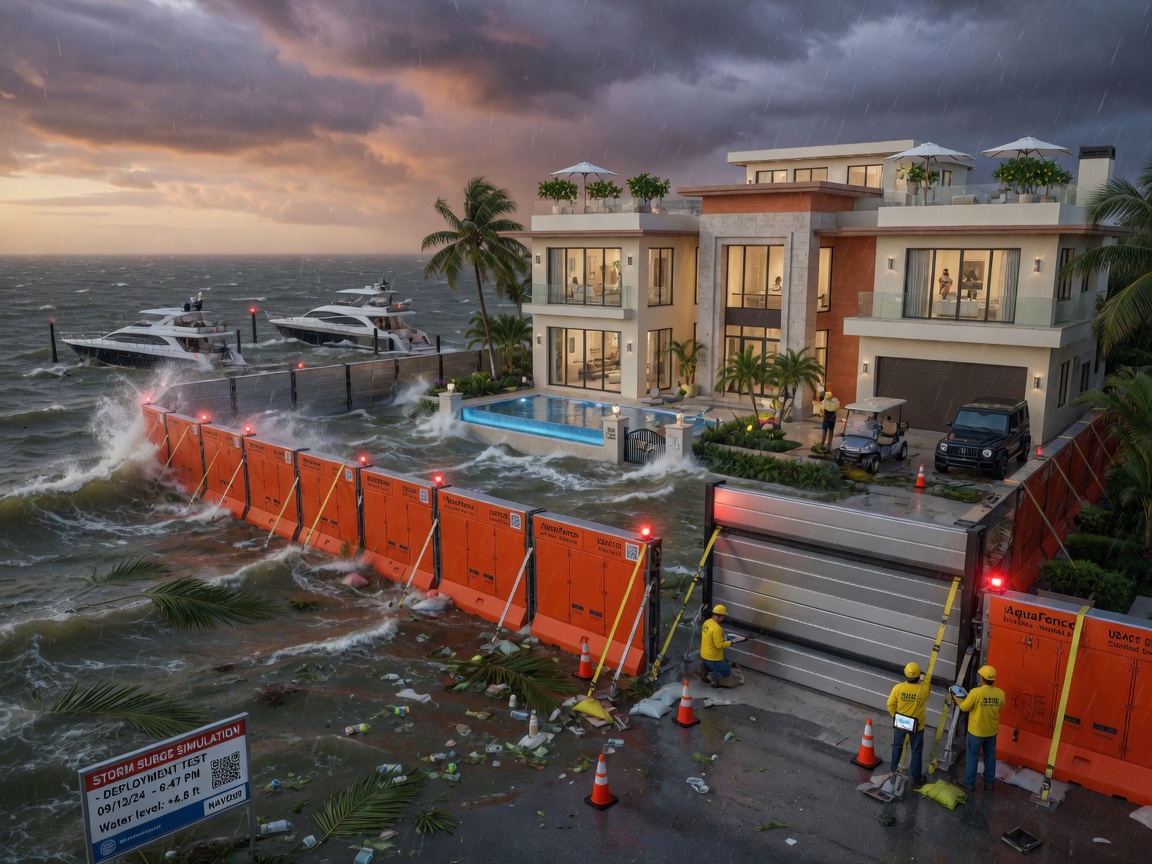
Traditional sandbags have been replaced by engineered, rapidly deployable flood barriers. Systems such as FloodBreak, AquaFence, and StopFlood have gained acceptance by several surplus lines carriers in 2025–2026.
When combined with certified elevation data, these systems can reduce the flood insurance rating by one full flood zone in some cases, translating to $6,000–$12,000 in annual savings for Naples waterfront properties.
Carrier-Specific Strategies for 2026
Not all insurance companies evaluate mitigation features equally. Current top-performing carriers for Naples waterfront homes include:
- Travelers: Highest credit for impact-rated openings and new elevation certificates
- American Integrity: Strong appetite for properties with roof reinforcement and flood vents
- Heritage: Accepts smart flood barriers with proper engineering documentation
- Universal Property & Casualty: Competitive when full wind mitigation Form 9 is completed
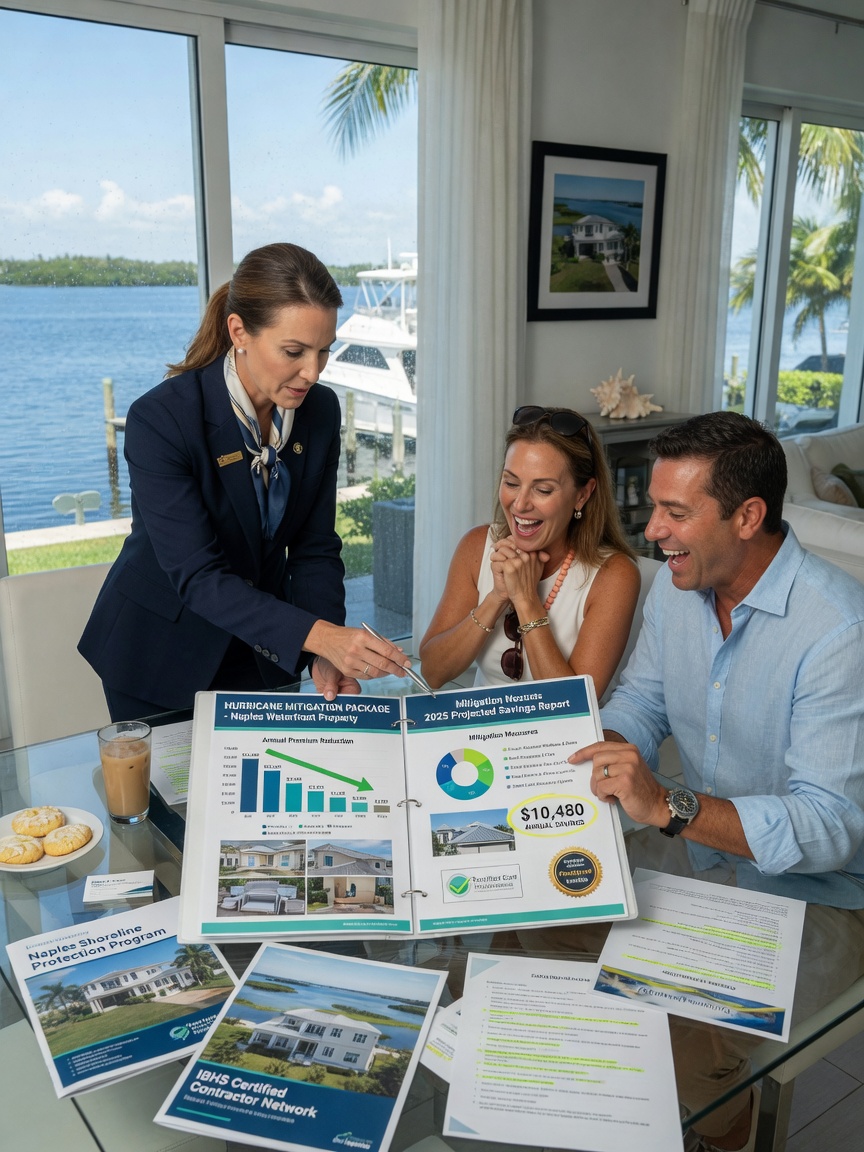
Working with an independent broker who specializes in high-value coastal properties is essential. Many have direct underwriter relationships that allow for reconsideration of declinations when comprehensive mitigation packages are presented.
Before-and-After Case Studies
Pelican Bay – Bay Colony Property
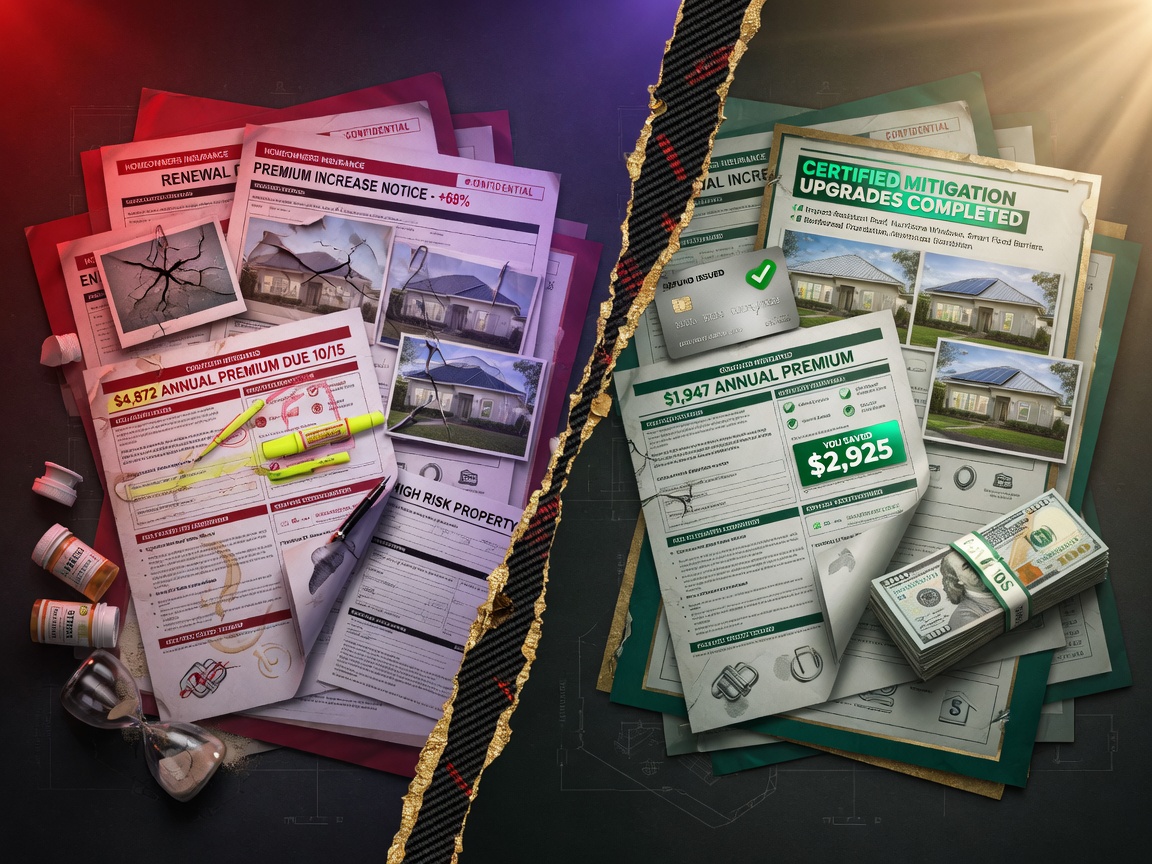
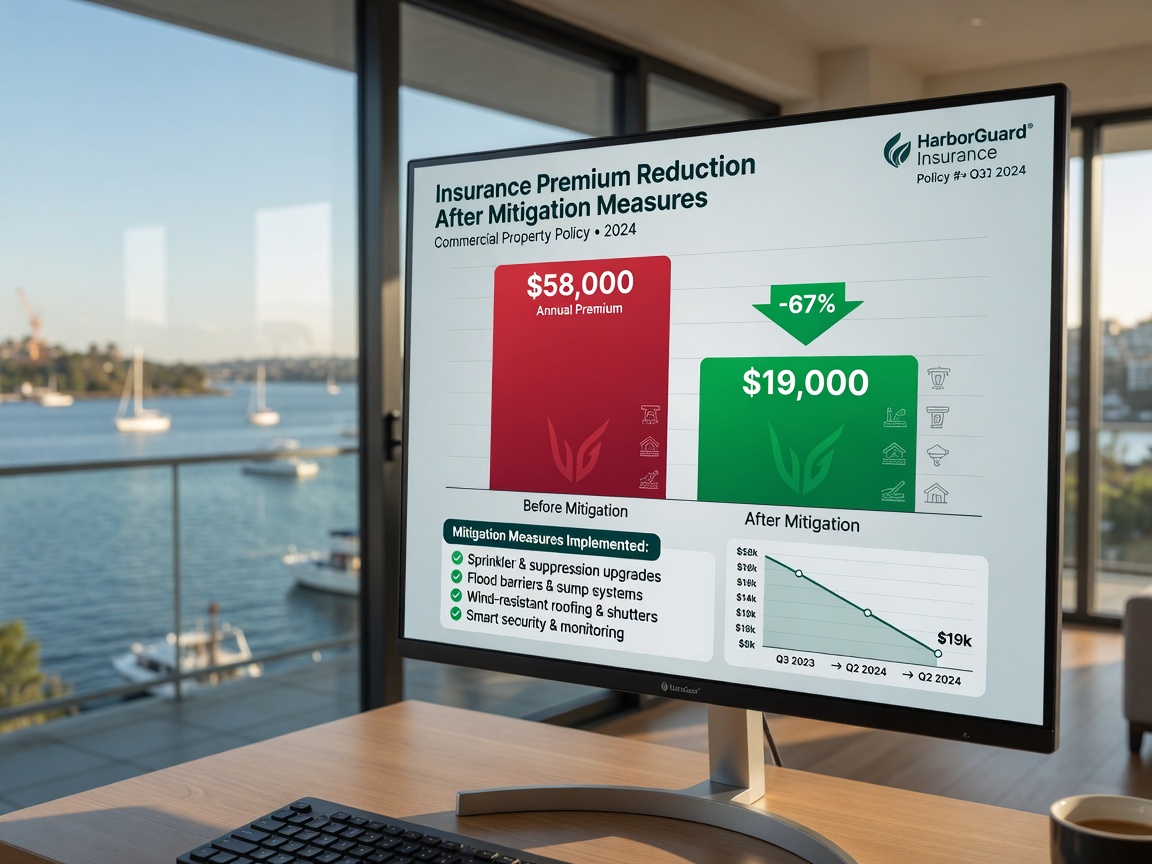
Before (2023): $62,800 annual premium (Citizens + excess flood). Home built 1991, no impact windows, outdated EC.
After (2025 mitigation completed): $29,400 annual premium (Travelers admitted policy). Total investment in mitigation: $164,000. Annual savings: $33,400. Projected insurance cost reduction over 10 years: $334,000.
Marco Island – Waterfront Estate on Barfield Bay
Before: $47,900 annual premium with 5% hurricane deductible.
After installing impact windows, roof strapping, secondary water barrier, new elevation certificate, and flood vents: $19,700 annual premium with 2% deductible. Net annual savings: $28,200.
Additional Cost-Saving Strategies for 2026
- Implement a formal wind mitigation inspection using a licensed inspector (Form OIR-B1-1802)
- Bundle wind, flood, and excess flood policies with the same carrier when possible
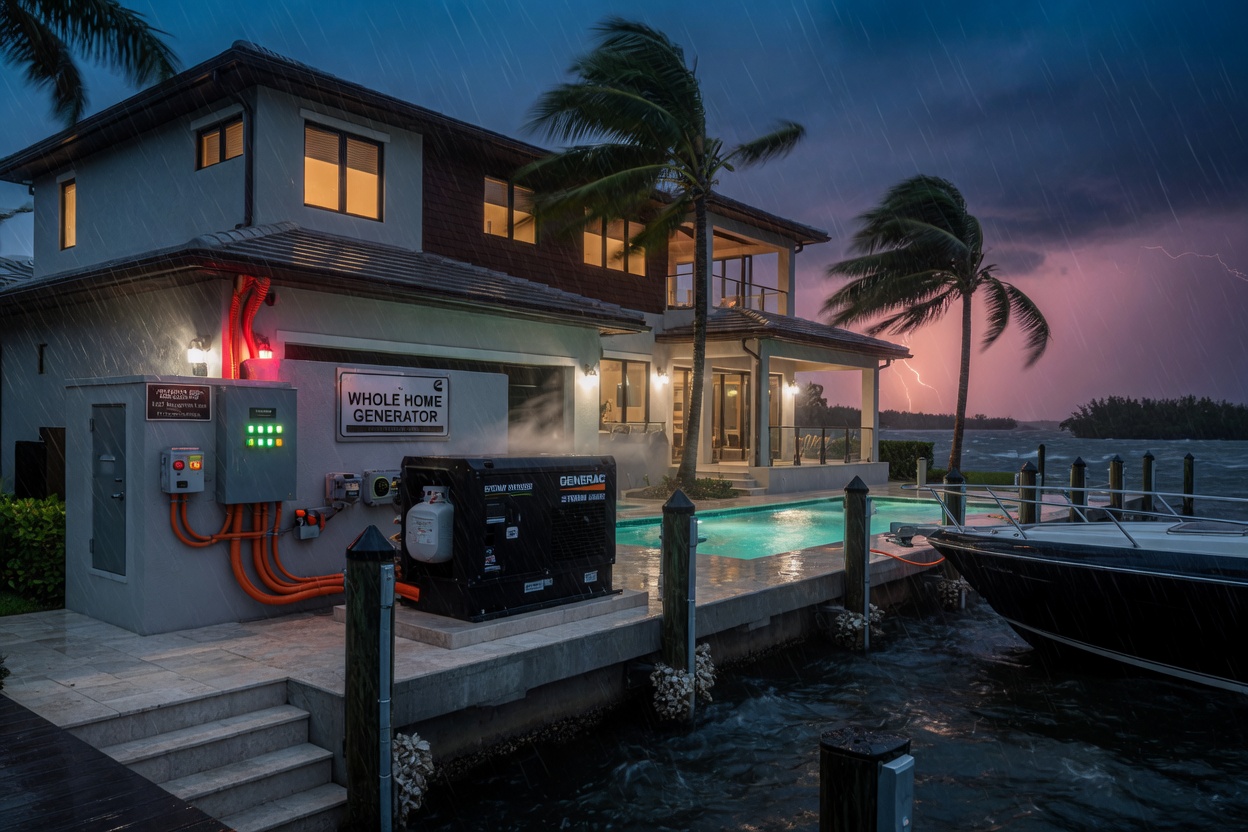
- Install a whole-home generator and hardened backup power systems for critical equipment
- Utilize IoT water leak detection and automatic main water shutoff systems for personal property coverage credits
- Explore state and federal grant programs (My Safe Florida Home, Resilience grants) that offset mitigation costs
Return on Investment Analysis
Most comprehensive mitigation packages for Naples waterfront homes range from $95,000 to $245,000 depending on property size and existing conditions. With average annual savings between $12,000 and $28,000, the return on investment typically falls between 4.2 and 7.8 years. When factoring increased resale value and improved marketability, the true ROI is often under 3 years.
Conclusion: Mitigation Is Now a Competitive Necessity
In the 2026 Southwest Florida real estate market, insurance mitigation is no longer optional—it has become a fundamental requirement for both affordability and liquidity. Buyers who understand and implement these technical solutions gain a significant competitive advantage, while sellers who proactively mitigate command higher prices and faster sales.
By combining current elevation documentation, code-plus impact protection, engineered flood barriers, and strategic carrier placement, Naples waterfront homeowners can transform insurance from a major liability into a manageable and predictable expense.
The window for meaningful mitigation work before the 2026 hurricane season is narrowing. Property owners and prospective buyers should begin the process with a professional insurance mitigation assessment and detailed cost-benefit analysis tailored to their specific waterfront home.
At naplesflorida.us, we continue to track insurance market changes and successful mitigation outcomes to provide Southwest Florida homeowners with the most current, actionable intelligence available.